
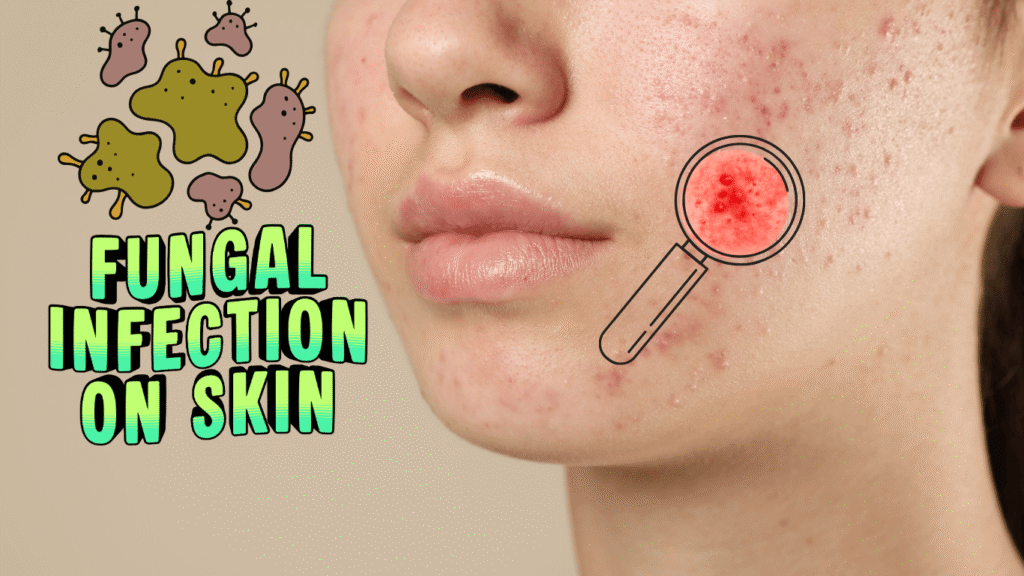
Fungal infections are common skin conditions caused by fungi that grow up on the outer layer of our skin, especially in warm and moist areas like feet, groin, armpits, and skin folds. They usually start as small symptoms such as itching, redness, or small scaly patches, but can spread if not treated early. These infections are regularly caused by dermatophytes or yeast overgrowth that can spread through direct skin contact, shared towels, tight clothing, or humid environments. While most fungal infections are not serious, they can become long-lasting or to happen again many times if proper hygiene and treatment are not followed.
Fungal infections can affect different parts of our body, but they are most common on the skin, nails, and scalp. The infection grow in environments where sweat and moisture are trapped, making body hygiene and dryness very important for future prevention. People who usually wear tight clothes, sweat excessively, or have a weak immune system are more likely to develop fungal infections again and agin. In many cases, early treatment with antifungal creams and proper skin care can help control the infection and prevent it from spreading further. Ignoring the symptoms can make the condition worse and lead to repeated flare-ups.
Causes of Fungal Infection
Fungal infections are mainly caused when fungi grow excessively on the skin due to favorable conditions. The biggest reason is warm and humid weather, because sweat and moisture create an ideal environment for fungi to multiply. Poor hygiene, such as not bathing regularly or not cleaning skin folds properly, also increases the risk. Keeping the skin wet for a long time after bathing or wearing damp clothes further encourages fungal growth. A weak immune system, caused by stress, illness, or poor diet, makes it harder for the body to fight infections. Wearing tight or non-breathable clothes traps sweat and heat, which supports fungal spread. Sharing personal items like towels, socks, or shoes can also pass the infection from one person to another. Overuse of antibiotic or steroid creams disturbs the skin’s natural balance, allowing fungi to grow easily. Lastly, conditions like diabetes or high blood sugar increase the chances of fungal infections because fungi thrive in sugar-rich environments.
Types Of Fungal Infection
Fungal infections can be classified into different types depending on the area of the body they affect. The most common ones are:
Ringworm (Tinea Corporis) is a common skin infection caused by a fungus (not a worm) that infect our outer layer of the skin. It spreads easily through direct skin contact with an infected person or animal, it can also infect us by sharing personal items like towels, clothes, or bedding, touching contaminated surfaces, and living in hot and humid conditions where sweating is high and hygiene is poor. The main symptoms of ringworm include a red, round, itchy patch on the skin that slowly grows, often with a clearer center and raised, scaly edges, and sometimes multiple patches can appear. Ringworm is also known as “tinea,” and based on the body part affected, it has different types such as tinea corporis (body), tinea pedis (feet or athlete’s foot), tinea cruris (groin or jock itch), and tinea capitis (scalp). With proper antifungal treatment and good hygiene, it can be easily cured and prevented from spreading.

Athlete’s Foot (Tinea Pedis)
Athlete’s Foot (Tinea Pedis) is a common fungal skin infection that mainly occur in our feet, especially between the toes. It is caused by fungi that grow in warm, moist places like sweaty shoes, socks, public bathrooms, and swimming pool areas. The infection spreads through direct contact with infected skin or contaminated surfaces. The main symptoms include itching, burning, redness, peeling or cracking skin, and sometimes blisters or a bad smell from the feet. It is more common in people who wear tight shoes, keep their feet wet for long time, or walk barefoot in public places. With proper hygiene, keeping feet clean and dry, and using antifungal creams, athlete’s foot can be easily treated and prevented from coming back.
Jock Itch (Tinea Cruris)
Jock Itch (Tinea Cruris) is a common fungal skin infection that affects the inguinal region/ crotch, area, inner thighs, and sometimes the buttocks. It is caused by fungi that grow in warm, moist places and spread easily through sweating, tight clothing, poor hygiene, sharing towels or clothes, or direct contact with infected skin. The main symptoms include red, itchy, and sometimes burning rash in the groin area, with scaly or raised edges that may spread outward in a ring-like shape. It is more common in people who sweat a lot, wear tight underwear, or live in hot and humid weather. With good hygiene, keeping the area clean and dry, and using antifungal creams, jock itch can be treated and prevented from returning.
Yeast Infection (Candidiasis)
Yeast Infection (Candidiasis) is a common fungal infection caused by an overgrowth of a yeast called Candida, which normally lives on the skin and inside the body in small amounts. It happens when this fungus grows too much, often due to warm and moist conditions, weak immunity, antibiotic use, hormonal changes, or poor hygiene. The main symptoms include itching, redness, irritation, swelling, and sometimes a thick white discharge (especially in vaginal yeast infections) or white patches on the skin or mouth. It can affect different areas like the mouth, skin folds, and genital area. With proper antifungal treatment and good hygiene, yeast infections can be easily treated and controlled.
Symptoms Of Fungal Infection
Fungal Infection can show many signs on the skin, and the symptoms are usually easy to notice. The most common symptom is itching, which can be mild or very strong and often gets worse in warm or sweaty conditions. The infected area may look red, irritated, and slightly swollen. Many people also notice dry, flaky, or peeling skin, and sometimes the skin becomes rough or cracked. In some cases, a round or ring-like rash appears that slowly spreads outward. If the infection is in moist areas like feet, groin, or skin folds, it can cause burning, discomfort, and bad smell due to sweat buildup. Sometimes small blisters, white patches, or fluid-filled bumps may also form. When it affects nails, they can become thick, yellow, brittle, or deformed. These symptoms usually develop slowly, and without treatment, they can spread to other parts of the body.
Along with these general signs, fungal infections also include four main types called tinea infections, and each type affects a different body part with specific symptoms. Tinea corporis (ringworm of the body) usually appears as red, round or ring-shaped patches with raised, scaly edges and a clearer center, and it spreads slowly with intense itching. Tinea pedis (athlete’s foot) affects the feet and mainly causes itching and burning between the toes, cracked or peeling skin, dryness, and sometimes blisters or bad odor, especially when feet stay sweaty or covered in shoes for long hours. Tinea cruris (jock itch) affects the groin and inner thighs, causing a red, itchy, and burning rash that becomes worse with sweating, heat, and tight clothing, often spreading in a ring-like pattern. Tinea capitis (scalp infection) affects the scalp and leads to itchy, flaky patches similar to dandruff, hair breakage, and sometimes round bald spots or swollen areas in severe cases.
Treatment For Fungal Infection
Fungal Infection is treated depending on the type and seriousness, but in most of cases follow a similar approach using antifungal medicines and proper skin care. In mild to moderate infections like ringworm (body), athlete’s foot (feet), and jock itch (groin), doctors usually suggest us antifungal creams, gels, or powders such as clotrimazole, ketoconazole, or terbinafine. These medicines are applied directly on the affected area once or twice daily for a few weeks until the infection completely clears. It is very important to continue the cream even after symptoms improve, because stopping early can make the infection come back. Along with medicine, keeping the skin clean, dry, and sweat-free is essential, because fungus grows quickly in warm and moist conditions. Wearing loose cotton clothes, changing socks daily, and avoiding tight footwear also helps in faster healing and prevents spreading.
In more severe or stubborn cases, especially in tinea capitis (scalp infection) or infections that spread over large areas, doctors may give oral antifungal tablets. These tablets work from inside the body and are needed when creams alone cannot reach the infection deeply, especially in hair roots or nails. Nail fungal infections also take longer to treat and may require both oral medicines and medicated nail solutions, and treatment can take several weeks to months for full recovery. During the entire treatment period, hygiene is very important—do not share towels, clothes, shoes, or combs with others, and wash infected areas gently every day.
Home Remedies For Fungal Infection
Fungal Infection ke liye kuch simple home remedies mild cases me help kar sakte hain, lekin ye medical treatment ka replacement nahi hote:
Neem (Azadirachta indica): Neem ke patte boil karke paani se skin wash karna ya paste lagana itching aur fungus ko kam karne me help karta hai.
Tea tree oil: Coconut oil me 1–2 drops mix karke affected area par lagane se antifungal effect mil sakta hai.
Aloe vera gel: Skin ko thandak deta hai, redness aur itching kam karta hai.
Coconut oil: Skin ko moisturize karta hai aur mild antifungal effect deta hai
Garlic (lehsun): Natural antifungal mana jata hai, lekin direct skin par use karne se pehle dilute karna chahiye.
Apple cider vinegar: Pani me dilute karke use karne se skin pH balance me help mil sakti hai.
Home care also plays a big role in recovery. Keeping the affected area dry after bathing, using separate towels for infected skin, and avoiding scratching can prevent the infection from spreading to other parts of the body. In all types of fungal infections, consistency is the key—treatment must be followed regularly and completed fully even if the symptoms improve early. With proper antifungal treatment, good hygiene, and patience, fungal infections are completely curable and can be prevented from coming back again.
FAQ For fungal infection?
How to remove the fungal infection?
Fungal Infection is treated with antifungal creams, powders, or medicines that kill the fungus. Keep the affected area clean, dry, and avoid sharing towels or clothes. In severe cases, doctors may give tablets for complete recovery.
What can cause a fungal infection?
Fungal infection is mainly caused by warm, humid weather, excess sweating, and poor hygiene, which allow fungi to grow on the skin. It can also develop due to wearing tight or wet clothes, weak immunity, or sharing personal items. Conditions like diabetes and overuse of steroid creams can also increase the risk of Fungal infection
What kills fungus in the body?
Fungus in the body is mainly killed by antifungal medicines (creams, tablets, or powders) prescribed by a doctor. Good hygiene, keeping the skin clean and dry, and using antifungal ingredients like clotrimazole, terbinafine, or fluconazolealso help clear the infection. In simple terms, treating the root cause with proper medication and keeping the area dry helps remove Fungal infection.
How long does fungal infection take to heal?
With proper antifungal treatment, most fungal infections start improving in 1–2 weeks. However, complete healing may take 2–4 weeks depending on severity.
Can diet affect fungal infection?
Yes, high sugar intake can worsen fungal growth, especially in people with diabetes. A balanced, low-sugar diet may help control it better.
Pingback: Get Rid of Ringworm Fast: Causes, Treatment & Prevention - Healixcare
Pingback: Get Rid of Ringworm Fast: Causes, Treatment & Prevention – properhealth.pro