
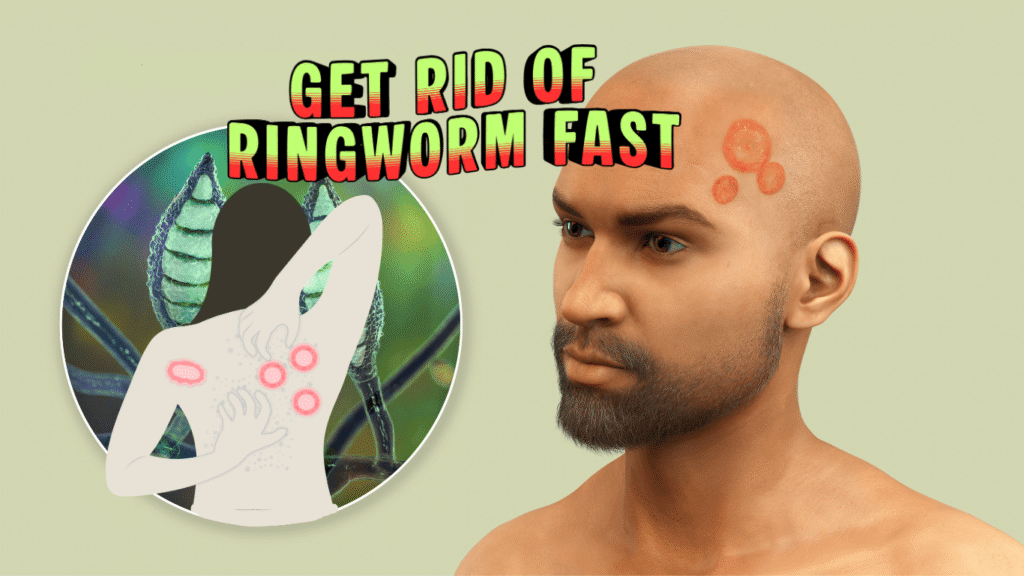
Tinea corporis (ringworm) is a common fungal skin infection it is not caused by any worm. It occurs when fungus grows on our outer layer of skin, especially in area which is warm, moist, or sweaty.It normally appears as a red, circular rash with a ring like shape and middle part of the rash looks more normal compared to the outer edge, regular causing itching or mild discomfort. It can show up on the arms, legs, neck, or back.
Ringworm can easily spreads through direct skin contact, sharing clothes or towels, or contact with infected pets. While it’s not dangerous, it can spread fast on our skin if we not treated it on time . it can usually be treated with simple antifungal creams and proper hygiene.
Causes Ringworm (Tinea Corporis)
Tinea corporis is caused when fungus (dermatophytes) grows on our skin and starts feeding on our keratin, means it grows by breaking down and consuming this protein in your skin, hair, or nails. which damages our skin and leads to a red, itchy ring-shaped rash. The most common reason of cause is direct contact with an infected person, where the fungus transfers and starts growing on your skin. It can also spread by sharing personal items like towels, clothes, bedsheets, or gym equipment, as the fungus sticks to surfaces and then infects our skin. Sweat, humidity, and tight clothing create a warm and moist environment that helps the fungus grow faster and spread more. Poor hygiene or not keeping the skin dry allows the infection to develop easily.
Sometimes, infected person pets like dogs and cats can pass the fungus to humans, causing similar circular patches. People who have weak immunity system, like diabetes, or any current illness are easily affected because their body cannot fight the fungus properly. Using steroid or wrong creams is a major cause, as it suppresses the skin’s natural defense and allows the fungus to grow deeper and become stubborn. Small cuts, scratches, in our skin can also make it easier for the fungus to enter and start infection in our skin. Leaving in crowded places, using public showers, toilets, pools, or gyms, and wearing unclean clothes repeatedly can further increase the risk, as these conditions help the fungus spread and survive easily.
Ringworm Symptoms (early vs severe stages)
Tinea corporis symptoms usually start with normal not so strong but become more noticeable if the infection spreads.
In the early stage, you may see a small red or pink patch on our skin with little itching. The area may feel a little dry or rough, and the rash slowly starts forming a round shape. There is usually mild irritation, and the border of the patch may begin to look slightly raised or scaly.
In the serious stage, the rash becomes more clearly visible ring-shaped with red, raised, and scaly edges and a more clear or normal-looking center. The itching becomes intense, and the patch may grow bigger or spread to multiple areas of the body. Sometimes our skin can crack, burn, or even develop blisters(water-filled bump) or pus(infected fluid from skin infection) if it gets infected further. In serious cases, multiple rings may overlap each other, the infection becomes strong, darker (pigmented), and takes longer to heal, especially if untreated or treated with wrong creams.
Types of Ringworm
Tinea corporis itself is one type of ringworm (on the body), but ringworm infections are named based on where they appear on the body. All of these are caused by the same fungus, just affecting different body parts, so the name changes based on location.
Tinea corporis
Tinea corporis is a fungal infection that affects our skin on the body areas like arms, legs, neck, chest, or back. It happens when fungus grows on the top layer of our skin, especially in area which is warm and sweaty conditions. It usually starts as a small red patch, then slowly spreads outward and forms a round ring shape. The edges or ringworm become red, slightly raised, and scaly, while the centre part of ringworm may look clearer or normal, this is the main sign of ringworm. It regularly causes itching, and the patch can get bigger or multiple rings can appear if not treated.
This infection spreads easily through touching infected person skin, sharing clothes or towels, or from pets, and grows faster if the skin stays sweaty or damp. It is not dangerous, but if ignored, it can spread and become strong. The good part is that it is easily treatable with antifungal creams if we know early about it.
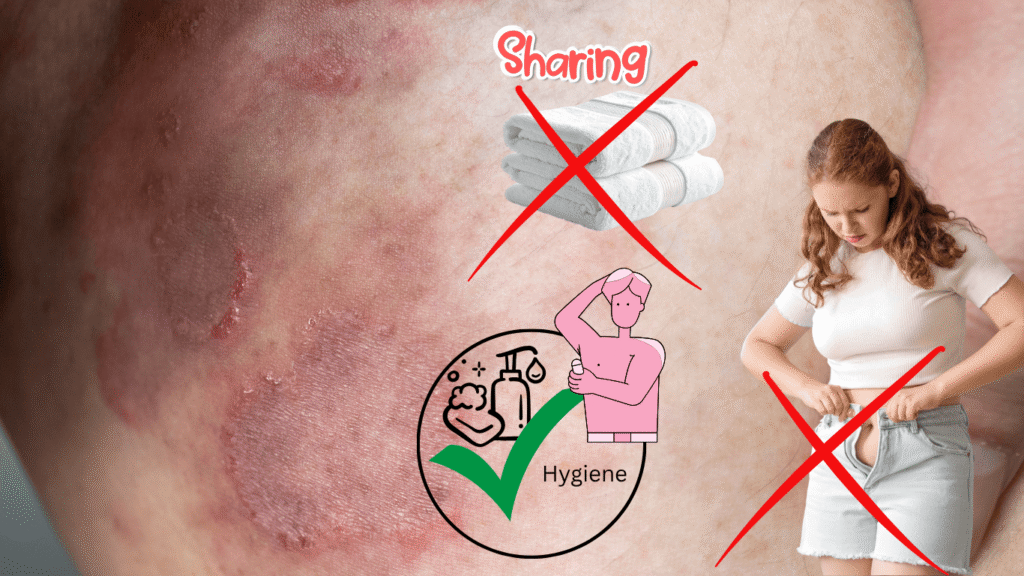
Tinea cruris
Tinea cruris is a fungal infection of the groin area (region where your lower abdomen meets the top of your thighs), the skin around the inner thighs, between the legs, and sometimes the buttocks. It is more commonly called jock itch and happens more in people who sweat a lot or wear tight clothes.It usually starts as a red, itchy rash in the groin folds, then spreads toward the outside in a half-moon or ring shape. The edges may become dark, raised, and scaly, while the center looks clearer. The itching can be strong, and the area may feel burning or irritated, especially after sweating or walking.
This infection happens because the groin area stays warm and moist, which is perfect for fungus to grow. It can spread through sweat, tight underwear, poor hygiene, sharing clothes, or even from other fungal infections like athlete’s foot.It is not serious, but it can be very uncomfortable and spread quickly if not treated. Keeping the area dry, wearing loose clothes, and using antifungal treatment helps it heal faster.
Tinea pedis
Tinea pedis is a fungal infection which is grow on feet, especially between the toes and sometimes on the soles. It is commonly called athlete’s foot and happens when fungus grows in warm, sweaty, and closed environments like shoes.It usually starts with itching, burning, or stinging between the toes. The skin may become white, soft, cracked, or peeling, and sometimes you may notice a bad smell. In some cases, the infection spreads to the soles, making the skin dry, scaly, or rough, and can even cause small blisters.
This infection spreads easily through walking barefoot in public places like bathrooms, gyms, or pools, or by wearing tight, sweaty shoes and socks for long hours. It can also spread by sharing shoes, socks, or towels.It is not dangerous, but if ignored, it can spread to other body parts or nails. Keeping feet clean, dry, and well-ventilated, along with antifungal treatment, helps cure it effectively.
Tinea capitis
Tinea capitis is a fungal infection happens on our scalp, mostly seen in age of children. It affects the scalp skin and hair, causing problems like itching and hair damage.It usually starts as small itchy patches on the scalp, where the skin may become dry, scaly, or flaky (sometimes it looks like dandruff). As it gets serious, you may notice hair breakage or hair loss in patches, making round bald spots. In some cases, the area can become red, swollen, or painful, and may even form pus-filled bumps (called kerion).
This infection spreads through sharing infected person combs, hats, pillows, or close contact. It is more common in children because at that age scalp is more sensitive and they often share items.It needs proper treatment because it does not heal easily with just creams, uses of oral antifungal medicine for best treatment. Keeping the scalp clean and avoiding sharing personal items helps prevent it.
Tinea faciei
Tinea faciei is a fungal infection that affects our face skin, such as cheeks, forehead, chin, or around the eyes (but not the beard area in men). It normally look like red, round or irregular patch with slightly raised upwards, scaly edges and a clearer in the center part. The skin may feel itchy, dry, or burning, and sometimes the rash becomes more noticeable after sun exposure. Unlike typical ringworm, the shape on the face may not always be a perfect ring, which can make it confusing.
This infection spreads through touching infected skin, sharing towels or makeup items, or from pets. the infection can look similar to other skin issues, so people may confuse it with things like pimples or allergies.
Tinea manuum
Tinea manuum is a fungal infection occurs on our hands, usually affecting our palms area, fingers, or the skin between fingers.It regularly shows as dry, rough, and scaly skin on one hand (sometimes both), with itching or mild burning. The palm may look thickened, cracked, or dusty, and in some cases, small ring-like patches can appear on the back side of our hand. This is the sign that our one hand is infected along with both feet (called “one hand, two feet” pattern).
This infection spreads through touching infected areas (like feet), sharing towels, or direct contact with fungus, and grows more in people whose hands stay wet or sweaty for long periods.
Tinea unguium (onychomycosis)
Tinea unguium is a fungal infection that occurs on nails, affecting either toenails or fingernails (more common in toenails).It usually starts with a small white, yellow, or brown spot on the nail. As the infection grows, the nail becomes thick, rough, discolored, and brittle, and may start to break, crumble, or lift from the skin. Sometimes there can be a mild bad smell or discomfort, especially in tight shoes.
This happens when fungus enters the nail through small cracks or cuts and grows in warm, moist conditions like sweaty feet or closed shoes. It can spread from athlete’s foot, sharing nail tools, or walking barefoot in public places.
Tinea barbae
Tinea barbae is a fungal infection that affects our beard area in men, including cheeks, chin, jawline, and neck where facial hair grows. In the starting I look red, swollen, or patchy skin under the beard with itching or burning. As it gets worse, you may see painful bumps, pus-filled lesions, or crusting, and the hair in that area may become loose or fall out easily. The skin can look inflamed and sometimes feel tender.
This infection often spreads through shaving with contaminated razors, close contact with infected people, or from animals (like farm animals). Poor hygiene and sweating can make it worse.
Treatment For Ringworm
Antifungal Creams
Antifungal creams are the main treatment for fungal skin infections the creams directly killing the fungus on the affected area. Common options in creams include clotrimazole, ketoconazole, and terbinafine. These creams should be applied twice daily for about 2–4 weeks, depending on the seriousness of the infection. It is important to apply the cream slightly beyond the visible rash area to ensure all infected skin is treated. Even if the rash starts to look healed, the treatment should be continued for a few extra days to prevent the infection from coming back.
Oral Medicines
Oral medicines are used for serious or widespread area fungal infections, especially when the infection is large area, strong, recurring, or affecting areas like the scalp. Common antifungal tablets include fluconazole and itraconazole, which work from inside the body to stop the growth of fungus. These medicines are usually prescribed when topical creams are not enough to control the infection. However, they should only be taken under a doctor’s supervision, as the dosage and duration depend on the severity of the condition and individual health factors.
Hygiene & Care
Good hygiene and proper care are very important in managing and preventing fungal infections. Always keep the affected skin clean and dry, as fungus grows quickly in moist areas. Change your clothes daily, especially if they become sweaty, and avoid wearing tight or non-breathable fabrics that trap moisture. Never share personal items like towels, clothes, or combs, as the infection can easily spread through them. Wash the infected area gently with a mild soap and make sure to dry it properly afterward, since even small amounts of moisture can delay healing or worsen the infection.
Home Remedies Treatment For Ringworm
Tea Tree Oil (Diluted)
Tea tree oil (when properly diluted with a carrier oil like coconut oil) helps in treating ringworm because it has natural antifungal properties. It works by killing the fungus that causes the infection and stopping it from spreading to other parts of the skin. It also helps reduce common symptoms like itching, redness, and irritation, making the skin feel calmer and more comfortable. With regular use on the affected area, it supports the healing process and helps the skin recover faster. However, it should always be used in diluted form because applying it directly can cause skin burning, dryness, or irritation.
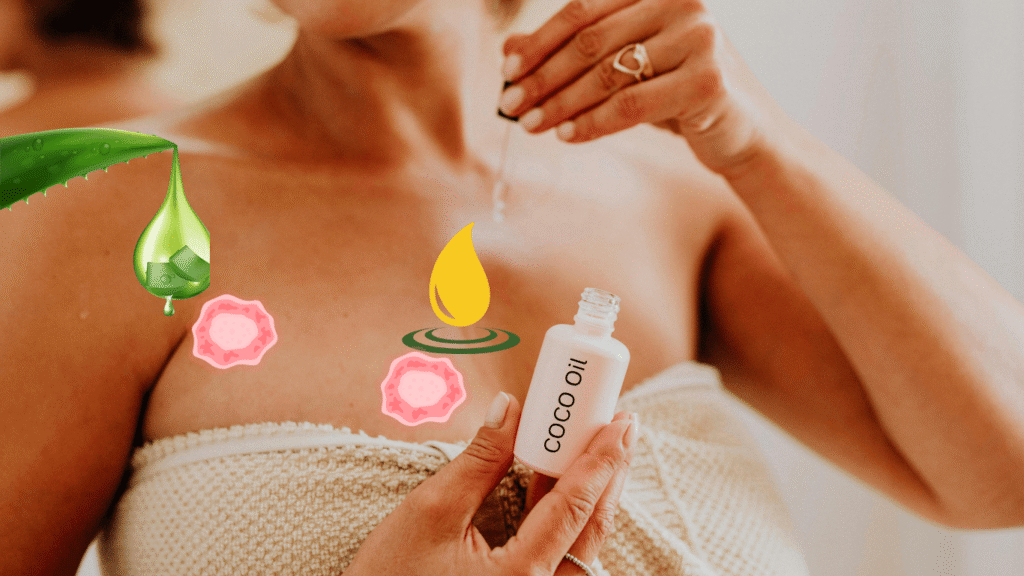
Coconut oil
Coconut oil helps in ringworm mainly because it contains a natural fatty acid called lauric acid and other compounds that have antifungal and antimicrobial effects. These substances can slowly damage the outer layer (cell membrane) of the fungus, which weakens it and stops it from growing further on the skin.
When applied on the infected area, coconut oil also forms a light protective layer on the skin. This helps reduce dryness, itching, and irritation caused by the infection. It keeps the skin moisturized, which supports faster healing and prevents cracking that can make the infection worse.
Aloe vera gel helps in ringworm because it has natural antifungal, antibacterial, and soothing properties. It contains compounds like acemannan and polysaccharides that help calm skin inflammation and support healing.
When applied on the infected area, aloe vera gel helps reduce itching, redness, and burning sensation caused by ringworm. Its cooling effect makes the skin feel more comfortable. It also keeps the skin hydrated, which prevents dryness and cracking that can worsen the infection.
Aloe vera may also slow down fungal growth slightly by creating an environment that is less suitable for fungus to survive, but it is not a strong antifungal treatment on its own. It is best used as a supportive natural remedy along with proper antifungal creams for faster and better results.
Apple Cider Vinegar (ACV)
Apple Cider Vinegar (ACV), when properly diluted, may help in ringworm because it is naturally acidic and has mild antifungal properties. The acidity helps create an environment on the skin where fungus finds it harder to grow and spread.
When applied on the infected area, diluted ACV can help reduce itching and irritation and may slowly slow down fungal growth. Some people also use it to help dry out the affected skin, which can make the ringworm less active over time.
However, it should always be used carefully because undiluted apple cider vinegar can cause burning, skin irritation, or dryness. It is usually mixed with water (like 1 part vinegar and 2–3 parts water) before applying with cotton.
ACV can be used as a supportive home remedy, but it is not a complete cure for ringworm. For faster and stronger results, antifungal creams prescribed by a doctor work better.
Garlic paste is sometimes used for ringworm because garlic contains a natural compound called allicin. Allicin has strong antifungal, antibacterial, and antimicrobial properties.
When applied carefully (in very small amount and usually mixed with oil), garlic may help slow down the growth of the fungus that causes ringworm. It can also help reduce infection activity on the skin because its natural compounds can damage the fungus structure and make it weaker.
Garlic also has anti-inflammatory properties, which may help reduce mild redness and irritation around the infected area. However, it can be very strong on the skin and may cause burning, stinging, or irritation, so it should always be used carefully and not left on the skin for long.
FAQ About Ringworm
What is the cause of ringworm?
Ringworm is caused by a type of fungus called dermatophytes. These fungi live on dead skin, hair, and nails and spread easily in warm, moist conditions. The infection is not caused by worms, but by fungal growth on the skin. It can spread through direct skin contact, sharing personal items like towels or clothes, contact with infected animals, or touching contaminated surfaces. Poor hygiene, excessive sweating, and humid weather can increase the risk of getting ringworm.
What food to avoid in ringworm?
Avoid high-sugar foods like sweets, chocolates, cakes, and soft drinks as they may support fungal growth.
Limit refined carbs like white bread, maida products, and processed snacks.
Avoid junk and processed foods, and focus on fresh, healthy food to help faster recovery.
How to stop ringworm from spreading?
Keep the affected area clean and dry and avoid scratching it, as this can spread the infection.
Do not share towels, clothes, or personal items with others.
Use antifungal treatment regularly and complete the full course.
How to remove ringworm in 3 days?
Ringworm cannot be completely removed in 3 days because it is a fungal infection that needs proper treatment time. However, using antifungal cream regularly and keeping the area clean and dry can quickly reduce itching and redness. Full healing usually takes 1–3 weeks.
How to kills ringworm permanently?
Ringworm can be completely cured by using the right antifungal treatment for the full duration. Apply antifungal creams (like clotrimazole, terbinafine, or ketoconazole) daily as directed, even after symptoms improve, to fully kill the fungus. In more severe cases, a doctor may prescribe oral antifungal medicines for complete treatment.
How To Treat Ringworm ?
Ringworm is treated by using antifungal medicines and proper skin care. Apply an antifungal cream like clotrimazole, terbinafine, or ketoconazole on the affected area 1–2 times daily for at least 2–4 weeks, even after the rash starts improving. In severe cases, a doctor may prescribe oral antifungal tablets for faster and deeper treatment.
Pingback: Fungal Infection on Skin Causes, Symptoms & Treatment - Healixcare
Pingback: Fungal Infection on Skin Causes, Symptoms & Treatment – properhealth.pro