
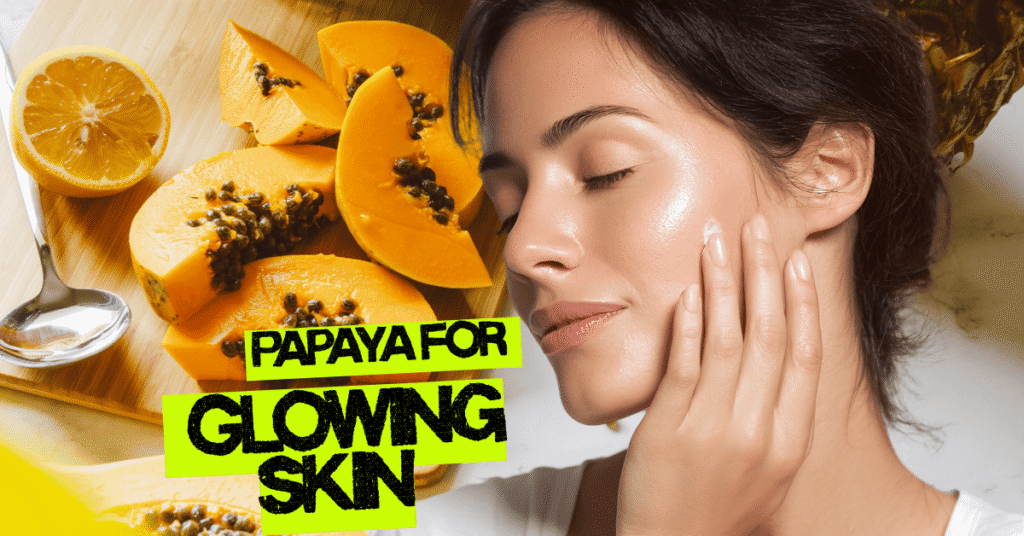
Why Papaya Is Good for Your Skin
Papaya is sometimes called the “fruit of the angels” because it tastes good and is good for the skin. It has natural things that help make the skin look young, smooth, and healthy. Papaya can help with skin problems in a natural way. You can eat it or put it on your skin. It is good for beauty and health.
Nutrients in Papaya That Benefit Skin
| Nutrient | Function | Skin Benefits |
|---|---|---|
| Vitamin C | Boosts collagen production | Improves skin elasticity, reduces wrinkles, brightens complexion |
| Vitamin A (Beta-Carotene) | Supports skin cell regeneration | Fights acne, smooths skin, reduces fine lines |
| Papain (Enzyme) | Natural exfoliant | Removes dead skin cells, unclogs pores, brightens skin tone |
| Antioxidants (Flavonoids, Carotenoids) | Neutralize free radicals | Prevents premature aging, protects against sun damage |
| Vitamin E | Antioxidant and moisturizer | Hydrates skin, reduces inflammation, improves skin texture |
| Folate (Vitamin B9) | Aids in cell growth and repair | Promotes glowing skin, helps reduce signs of aging |
| Water Content | Hydrates skin from within | Keeps skin plump, improves elasticity |
Papaya for Glowing Skin Helps Achieve a Natural Glow
Papaya is more than just a tropical treat—it’s a skin-loving powerhouse that can transform dull, tired skin into a glowing, radiant complexion. Thanks to its rich blend of vitamins, enzymes, and antioxidants, papaya works naturally to brighten, hydrate, and rejuvenate your skin from the inside out.
One of the key components in papaya is papain, a natural enzyme that gently exfoliates the skin by removing dead skin cells and impurities. This process not only unclogs pores but also helps to smooth the skin and improve overall tone. Unlike chemical exfoliants, papaya is gentle enough for most skin types and gives you visible results without irritation.
The fruit is also high in vitamin C, which promotes collagen production—a must for maintaining skin elasticity and reducing fine lines. Combine that with vitamin A (in the form of beta-carotene), vitamin E, and a high water content, and you have a fruit that hydrates, protects, and revives your skin all at once.
For those with acne-prone or inflamed skin, papaya offers additional benefits. Its anti-inflammatory properties help calm redness and swelling, while its antibacterial action reduces breakouts. Whether applied topically or enjoyed as part of your diet, papaya can help you maintain soft, clear, and glowing skin naturally.
Papaya vs. Other Natural Remedies
There are many natural remedies used for skin care—like aloe vera, turmeric, honey, and cucumber. While each of these has its benefits, papaya stands out for its multi-action profile.
| Natural Remedy | Key Benefit | Limitations |
|---|---|---|
| Papaya | Exfoliates, hydrates, boosts collagen | May not suit very sensitive skin in raw form |
| Aloe Vera | Soothes and hydrates | Doesn’t exfoliate or deeply brighten |
| Turmeric | Anti-inflammatory and brightening | Can stain skin and fabrics; may cause irritation |
| Honey | Moisturizes and heals | Sticky texture; not exfoliating |
| Cucumber | Cools and hydrates | Mild effect; mostly soothing |
Top Benefits of Using Papaya for Glowing Skin
Brightens Skin Tone
Papaya is rich in natural enzymes like papain and vitamins A, C, and E, which help lighten and rejuvenate dull skin. Regular use—whether through a papaya face mask or as part of your diet—can promote a radiant, even-toned complexion.
Reduces Dark Spots and Pigmentation
The enzymes in papaya help break down inactive proteins and lighten blemishes, dark spots, and scars. Its natural bleaching properties gently fade hyperpigmentation over time, giving your skin a clearer, more uniform appearance.
Gently Exfoliates Dead Skin Cells
Papain, the enzyme found in papaya, works as a natural exfoliator. It helps dissolve dead skin cells and unclog pores without the harshness of physical scrubs, leaving your skin smoother and more refreshed.
Fights Acne and Blemishes
Papaya’s antibacterial and anti-inflammatory properties make it effective against acne-causing bacteria. It also helps control excess oil production and soothes irritated skin, reducing the appearance of pimples and preventing future breakouts.
How to Use Papaya for Glowing Skin at Home
Papaya and Honey Face Mask – For Soft, Glowing Skin
Why this works:
Papaya contains natural enzymes that help remove dead skin cells and unclog pores. Honey is a natural humectant, meaning it draws moisture into the skin, keeping it hydrated and smooth.
Ingredients:
- ¼ cup ripe papaya (mashed)
- 1 teaspoon raw honey (preferably organic)
How to Make and Apply:
- Take a few cubes of ripe papaya and mash them thoroughly using a fork or spoon until it becomes a smooth paste.
- Add 1 teaspoon of honey to the mashed papaya.
- Mix well to create a consistent mask.
- Cleanse your face and pat dry.
- Apply the mask evenly to your face and neck using your fingertips or a clean brush.
- Leave it on for 15–20 minutes.
- Rinse off with lukewarm water and gently pat your skin dry with a soft towel.
Benefits:
- Deeply moisturizes dry skin
- Makes skin feel soft and supple
- Gives a natural, healthy glow
Use 2–3 times a week for best results.
Papaya and Lemon Juice Brightening Mask – For Dull & Pigmented Skin
Why this works:
Papaya’s enzymes remove dead skin cells and boost cell regeneration. Lemon juice contains vitamin C and citric acid, which help in reducing dark spots and pigmentation.
Ingredients:
- ¼ cup ripe papaya (mashed)
- 1 teaspoon fresh lemon juice
How to Make and Apply:
- Mash the ripe papaya until smooth.
- Add 1 teaspoon of freshly squeezed lemon juice to it.
- Mix until well blended.
- Apply the mask on clean, dry skin, avoiding the eye area.
- Leave it on for 10–15 minutes only (especially if you have sensitive skin).
- Rinse off with cool water and follow with a gentle moisturizer.
Important Tips:
- Always do a patch test before applying this mask, as lemon juice can irritate sensitive skin.
- Avoid sun exposure right after using this mask. Use it in the evening or at night.
Benefits:
- Lightens dark spots and acne scars
- Brightens dull complexion
- Evens out skin tone
Apply 1–2 times a week only to avoid over-exfoliation.
Papaya and Yogurt Exfoliating Mask – For Smooth, Clear Skin
Why this works:
Yogurt contains lactic acid, which gently exfoliates the skin and removes dead cells. Combined with papaya, it becomes an excellent mask to cleanse and smooth your skin.
Ingredients:
- ¼ cup ripe papaya (mashed)
- 1 tablespoon plain yogurt (unsweetened)
How to Make and Apply:
- Mash the papaya until there are no chunks.
- Add 1 tablespoon of plain yogurt and mix until you have a creamy consistency.
- Apply the mixture evenly to your face and neck.
- Let it sit for 15–20 minutes.
- Gently massage in circular motions before washing off to enhance exfoliation.
- Rinse off with lukewarm water and moisturize your skin afterward.
Benefits:
- Gently removes dead skin cells
- Unclogs pores and prevents acne
- Leaves skin smooth and radiant
Use 2 times a week for healthy, glowing skin.
Precautions and Skin Types to Consider
While papaya is generally safe and beneficial for most skin types, it’s important to understand that not every natural remedy suits everyone. Knowing how your skin might react to papaya can help you avoid irritation or allergic reactions.
Who Should Avoid Papaya on Skin?
Although papaya contains natural enzymes that exfoliate and brighten the skin, it may not be suitable for:
Sensitive Skin Types:
People with sensitive or reactive skin may experience redness, burning, or itching due to papain — the natural enzyme in papaya. It can be too strong for delicate skin and may cause mild irritation.
People with Latex Allergy:
Papaya contains substances that are chemically similar to latex. If you have a known latex allergy, you may also react to papaya, especially when applied topically. Symptoms can include rash, itching, or swelling.
Broken or Inflamed Skin:
Avoid using papaya-based masks on open wounds, active acne, or inflamed skin, as it may sting and delay healing.
Children and Pregnant Women (Topical Use):
While eating papaya is generally safe in moderate amounts (especially ripe papaya), applying it to a child’s delicate skin or during pregnancy (due to heightened sensitivity) should be done cautiously and only after consulting a dermatologist.
Patch Test and Allergic Reactions
Before applying any new ingredient to your face — even natural ones — it’s important to do a patch test to check for allergies or irritation.
How to Do a Patch Test:
- Take a small amount of the papaya mixture you plan to use.
- Apply it to a small area of skin — such as the inside of your wrist or behind your ear.
- Wait for 24 hours.
- Observe for signs of irritation such as:
- Redness
- Itching
- Burning
- Swelling
- Rash
If any of these symptoms occur, do not use the mask on your face.
🚫 Signs of an Allergic Reaction:
Stop using papaya immediately if you experience:
- Burning or stinging sensation during application
- Red patches or bumps after rinsing
- Persistent itching or peeling
If symptoms are severe or don’t subside within a few hours, seek medical advice.
FAQ About Papaya for Glowing Skin
Can I use papaya on my face every day?
It’s best not to use papaya face masks daily. Papaya contains natural enzymes that exfoliate the skin, and overuse can lead to irritation or dryness. Limit usage to 2–3 times a week for healthy, glowing skin.
How long should I leave a papaya face mask on?
Most papaya masks should be left on for 10–20 minutes, depending on your skin type. If you have sensitive skin or are using lemon in the mask, limit it to 10–15 minutes to avoid irritation.
Can papaya remove dark spots or pigmentation?
Yes, papaya is rich in enzymes like papain and vitamin C, which help lighten dark spots, pigmentation, and acne scars over time with consistent use. For best results, use a papaya and lemon or honey mask 2–3 times weekly.