
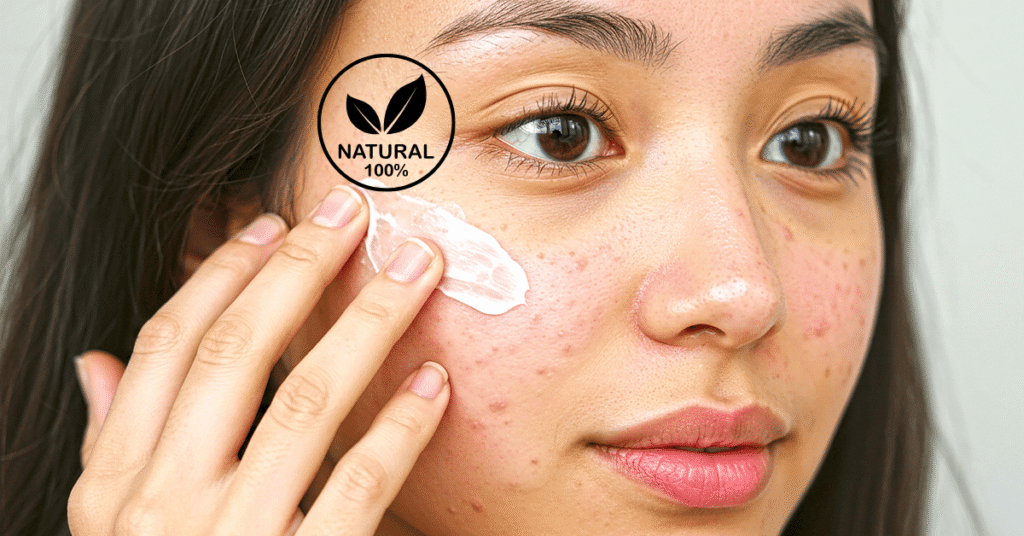
What Is main cause of acne? and how to Treat Acne Naturally?
Acne is a common skin condition that happens when hair follicles become clogged with oil (sebum), dead skin cells, and bacteria. It often leads to pimples, blackheads, whiteheads, or cysts—typically appearing on the face, back, chest, or shoulders.
Many people use Treat Acne Naturally to avoid the harsh side effects of chemical-based products. Natural remedies often work gently with the body, aiming to heal the root causes of acne without causing skin irritation, dryness, or long-term damage.
Acne & Age
Acne is most common during puberty due to hormonal changes,
but it can affect people of all ages.
Here are some of the most common causes of acne
- Excess Sebum Production
Overactive oil glands can clog pores and lead to breakouts. - Hormonal Changes
Especially during puberty, menstruation, pregnancy, or due to conditions like PCOS. - Bacteria (Propionibacterium acnes)
Bacteria on the skin can infect clogged pores, causing inflammation and pimples. - Clogged Pores (Dead Skin Cells)
When dead skin isn’t removed properly, it can mix with oil and block pores. - Diet
Some foods, especially those high in sugar or dairy, may trigger or worsen acne. - Stress
Increases cortisol levels, which can worsen inflammation and sebum production. - Cosmetic Products
Comedogenic or oily makeup can clog pores if not properly cleaned off. - Genetics
If your parents had acne, you’re more likely to experience it too.
Benefits of Treat Acne Naturally Over Chemical Products
| Acne Natural Treatments | Chemical Products |
|---|---|
| Gentle on skin | Can cause dryness, redness, or irritation |
| Fewer side effects | May trigger allergic reactions or sensitivity |
| Promote overall skin health | Often target only symptoms, not root cause |
| Lower risk of resistance (e.g. from overuse of antibiotics) | Risk of long-term skin barrier damage |
| Cost-effective (many are DIY or kitchen-based) | Often expensive or require long-term use |
Top 10 Remedies to Treat Acne Naturally
Tea Tree Oil for Acne
Tea tree oil is a powerful natural antibacterial and anti-inflammatory agent. It helps reduce acne-causing bacteria and calms redness and swelling.
How to Use:
- Dilute a few drops of tea tree oil with a carrier oil (like coconut or jojoba oil) in a 1:9 ratio.
- Apply to affected areas using a cotton swab.
- Use once daily after cleansing.
Note: Always patch test first, as tea tree oil can be strong and irritating to sensitive skin.
Aloe vera contains enzymes and anti-inflammatory properties that soothe irritated skin and help heal acne scars.
How to Use:
- Use fresh aloe vera gel directly from the plant or buy pure aloe gel.
- Apply a thin layer to clean skin and leave it on overnight.
- Can be used daily as a moisturizer.
Bonus: Aloe also helps reduce dark spots and hydrates without clogging pores.
Apple Cider Vinegar
ACV helps kill acne-causing bacteria and balances the skin’s pH, making it less oily and more resilient.
How to Use:
- Mix 1 part apple cider vinegar with 3 parts water.
- Apply gently to the skin using a cotton pad. Let sit for 5–15 seconds.
- Rinse with cool water and moisturize.
Caution: Never use undiluted ACV—it can burn the skin.
Honey and Cinnamon Mask
Both honey and cinnamon have antibacterial, antioxidant, and anti-inflammatory properties that make them effective in treating acne and calming redness.
How to Use:
- Mix 2 tablespoons of raw honey with 1 teaspoon of cinnamon.
- Apply to clean face and leave on for 10–15 minutes.
- Rinse off with warm water and pat dry.
Use: 2–3 times per week.
Green Tea Application
Green tea is rich in antioxidants and helps reduce oil production and inflammation in acne-prone skin.
How to Use:
- Brew a cup of green tea and let it cool.
- Apply it to your face using a cotton pad or spray bottle.
- Leave on for 10–15 minutes or overnight.
Bonus Tip: You can also use the cooled tea bags as a soothing compress on pimples.
Witch hazel is a natural astringent that reduces inflammation and tightens the skin, helping to shrink pimples and dry out excess oil.
How to Use:
- Apply a small amount of alcohol-free witch hazel to a cotton pad.
- Gently wipe over the affected area after cleansing.
- Use once or twice daily.
Look for: Products that are 100% natural with no added alcohol or fragrances.
Zinc Supplements
Zinc is an essential mineral that helps control inflammation, regulate oil production, and boost immune function—all of which help reduce acne.
How to Use:
- Take 30–50 mg of zinc daily (consult with a doctor first).
- Zinc gluconate and zinc picolinate are the most absorbable forms.
Note: Don’t exceed 50 mg/day as too much zinc can cause side effects.
Omega-3 Fatty Acids
Omega-3s are anti-inflammatory fats found in certain foods and supplements. They help reduce acne by lowering inflammation and balancing hormones.
How to Get Them:
- Eat more fatty fish like salmon, sardines, and mackerel.
- Take fish oil or flaxseed oil supplements.
Dosage: 1,000–2,000 mg per day (consult with a healthcare provider).
Exfoliate with Natural Scrubs
Regular exfoliation helps remove dead skin cells that clog pores and cause breakouts. Natural scrubs are gentler and safer than chemical ones.
Examples of Natural Scrubs:
- Oatmeal + Honey: Gentle and moisturizing.
- Sugar + Coconut Oil: Effective for body acne.
- Ground Coffee + Yogurt: Boosts circulation and clears pores.
How to Use:
- Gently massage onto damp skin 1–2 times a week.
- Rinse with warm water and moisturize afterward.
Healthy Diet for Clear Skin
What you eat affects your skin. A clean, nutrient-rich diet can reduce acne and improve overall skin health.
Tips:
- Eat more: Fruits, vegetables, whole grains, and foods rich in zinc, vitamin A, and antioxidants.
- Avoid: Sugar, dairy (in some people), greasy foods, and processed carbs.
- Hydrate: Drink plenty of water to flush out toxins and keep your skin hydrated.
What is the difference between pimples and acne?
| Feature | Pimples | Acne |
|---|---|---|
| Definition | A single inflamed spot or bump on the skin. | A skin condition that causes multiple pimples and breakouts. |
| Cause | Usually caused by clogged pores, oil, or bacteria. | Caused by a combination of factors: excess oil, bacteria, hormonal imbalance, etc. |
| Severity | Mild – usually occasional and isolated. | Can be mild to severe, and chronic. |
| Types | Whiteheads, blackheads, pustules, etc. (individual). | Includes all types of pimples plus cysts and nodules. |
| Duration | Short-term (a few days to a week). | Long-term condition; can last for months or years. |
| Treatment | Spot treatments often work (e.g., tea tree oil). | Often needs a full skincare routine or medical treatment. |
Common Myths About Natural Acne Treatments
Myth: Natural treatments are always safer than medications.
Fact: Just because something is natural doesn’t mean it’s safe or free of side effects. Some natural ingredients can cause allergic reactions, irritation, or worsen acne if not used properly.
Myth: Tea tree oil can cure acne overnight.
Fact: Tea tree oil does have antibacterial properties and can help reduce acne, but it doesn’t work instantly or for everyone. It usually takes several weeks of consistent use to see improvement.
Myth: Lemon juice clears acne by drying it out.
Fact: Lemon juice is very acidic and can irritate the skin, leading to redness, peeling, and even increased acne in some cases. It’s not recommended as a spot treatment.
Myth: You should scrub your face hard with natural exfoliants like baking soda or sugar to get rid of acne.
Fact: Harsh scrubbing damages the skin barrier, causes inflammation, and can make acne worse. Gentle exfoliation is key.
FAQ Treating Acne Naturally
What causes acne naturally?
Acne is caused by excess oil production, clogged pores, bacteria, and inflammation. Hormonal changes, diet, stress, and genetics can also play a role.
Can acne be treated without medications?
Yes, many people manage acne naturally through lifestyle changes, diet, proper skincare, and natural remedies.
What natural remedies help with acne?
Common natural remedies include tea tree oil, aloe vera, honey, green tea extract, apple cider vinegar, and witch hazel. These have antibacterial and anti-inflammatory properties.
How important is diet in treating acne?
Diet can impact acne. Reducing sugar, dairy, and processed foods while increasing fruits, vegetables, and omega-3 fatty acids may help improve skin health.
Can natural oils help or worsen acne?
Some oils like jojoba, rosehip, and argan oil can moisturize without clogging pores, while heavy oils like coconut oil may worsen acne in some people.
Pingback: Benefits Of Centella Asiatica, Uses, and Skincare Guide - Healixcare
Pingback: Vitamin C Rich Foods for Skin: Benefits for Skin - Healixcare
Pingback: 2 Benefits of Curd for Acne-Prone Skin and Fat Loss - Healixcare
Pingback: Benefit of Organic Green Tea For the skin - Healixcare
Pingback: Power of Oats Glowing Skin and Better Health in One Bowl - Healixcare
Pingback: Beetroot for Skin The Natural Glow Booster You Need - Healixcare