
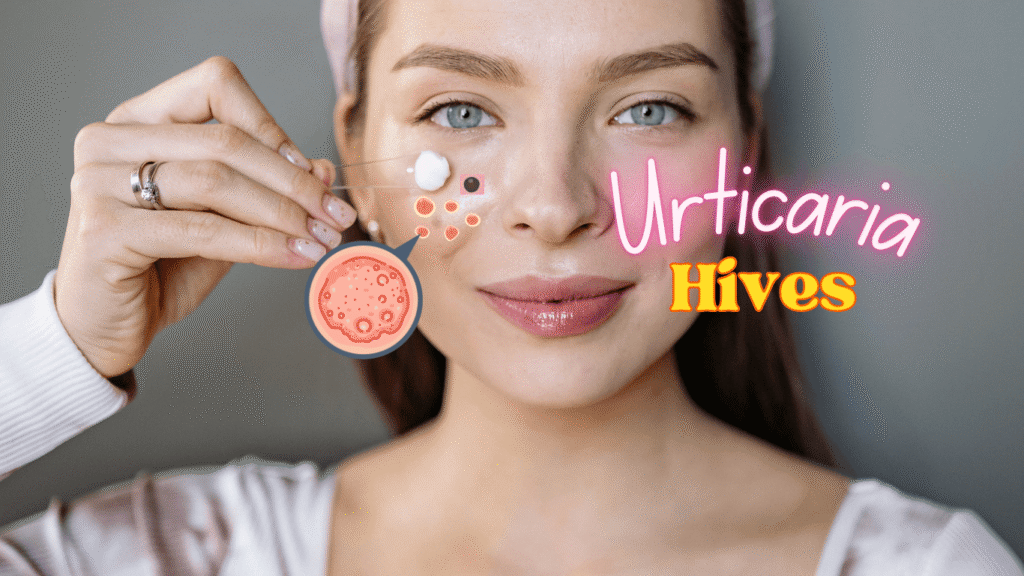
Urticaria, commonly known as hives, it is a skin condition that causes raised, red, itchy skin-colored bumps on the skin. When it appears on the face, These skin bumps may vary in size and shape and can appear suddenly from a allergic reaction or other triggers. Facial hives affect on the areas like the cheeks, lips, eyelids, and forehead, sometimes it causing deeper swelling known as angioedema. This swelling can make the skin feel tight, puffy, and even slightly painful in some cases drink proper amount ho water and stay hydrated.
Urticaria occurs when our body releases histamine and other chemicals into the bloodstream, this is a part of immune response. This reaction causes leak fluid in small blood vessels in the skin it leads to the formation of itchy welts(skin bumps). While some cases of hives (skin bumps) last only for few hours (acute urticaria), others can continue for weeks or even months (chronic urticaria), especially if the underlying trigger is not identified. Facial urticaria is more worrying because the skin on the face is very sensitive and easy to see, which can make you feel uncomfortable and affect your confidence. In many cases, hives are harmless and temporary, but recurring episodes may indicate allergies, sensitivities, or internal health issues that require attention.
Signs and Symptoms of Urticaria (Hives)
Raised Welts (Hives) Skin bumps
Raised skin bumps, also known as Urticaria, are swollen, red or skin-colored bumps that suddenly appear on the skin and are commonly related with itching, burning, or a biting sensation. These welts can different in size and shape, ranging from small spots to large patches, and they may merge together to form a bigger areas. Hives regularly occur by a reaction that trigger by certain foods, medications, insect bites, stress, or changes in temperature. They can appear anywhere on the body and can move from one area to another. Although welt usually can fades within a few hours or up to a day, new ones may continue to develop, making the condition seem ongoing. In most cases, hives are temporary and harmless, but if they continue for several days, keep recurring, or are go along by swelling of the face, lips, or throat, it is important to do intake of proper Vitamin C rich foods.
Itching (Pruritus)
Itching, also known as Pruritus, in this our skin feel sensation that creates a strong urge to scratch the sensation area. It can affect a small area or the full body and may be constant or come and go. Pruritus is commonly linked to skin conditions like dryness, allergies, or infections, but it can also triggered by insect bites, heat, or irritation from certain things. The sensation may range from mild to serious condition also sometimes lead to redness, swelling, or skin damage due to repeated scratching. While itching is usually harmless, persistent or severe itching may require medical attention to identify and treat the underlying cause.
Swelling (Angioedema)
Swelling, also known as Angioedema, is a condition where deeper layers of the skin become swollen, often affecting areas like the lips, eyes, face, hands, or feet. It is commonly associated with allergic reactions and can occur alongside hives or on its own. The swelling may appear suddenly and can feel tight, painful, or warm rather than itchy. Angioedema is usually caused by triggers such as certain foods, medications, insect stings, or infections. While mild cases may go away on their own, severe swelling—especially around the throat or tongue—can be dangerous and requires immediate medical attention as it may affect breathing.
Changing Shape and Size
Changing shape and size is a common feature of Urticaria, where the raised welts (hives) do not stay the same for long. These welts can quickly grow larger, shrink, or merge with nearby bumps to form bigger patches on the skin. They may appear in one area and then fade away, only to reappear in a different location. This shifting pattern can happen within minutes to hours, making the condition seem unpredictable. The ability of hives to change shape and size is due to the release of histamine in different areas of the skin, which causes temporary swelling and redness.
Burning or Stinging Sensation
A burning or stinging sensation is a common symptom of Urticaria and can sometimes occur along with Angioedema. Instead of just itching, the affected skin may feel warm, irritated, or painful, especially when the welts are inflamed or located in sensitive areas like the face. This sensation happens due to the release of histamine and other chemicals in the skin, which irritate nerve endings and cause discomfort. In cases of angioedema, the burning feeling may be more intense because the swelling occurs deeper under the skin. While this symptom is usually temporary, persistent or severe burning and stinging may indicate a stronger reaction and should be check by a doctor.
Common Causes of Urticaria
When our skin get red, swelling and itching it means our body releases histamine and other chemicals into the skin against allergic reaction, usually as part of an immune response. One of the most common causes is allergic reactions, where the body reacts to substances like certain foods (nuts, eggs, milk, seafood), also medications like Aspirin or Ibuprofen, or materials like latex. These reactions regularly happen quickly after contact and may last for a few hours to a day.
Another major cause is infections, especially in viral infections like the common cold or flu. Bacterial and fungal infections can also trigger the hives, especially in children. In these cases, urticaria is usually short-term and gets better once the infection is treated. But some people get hives not by allergies but from physical triggers. Factors such as cold weather, heat, sweating, sunlight, or pressure on the skin (like tight clothing) can directly cause skin bumps welts to appear. This type is known as physical urticaria.
Stress and emotional factors can also play a role. hives are not directly cause by stress, it can make our symptoms serious or trigger where itching and swelling increase suddenly. especially in people with chronic urticaria. In some cases, the condition is linked to autoimmune response reactions, where the immune system mistakenly attacks healthy skin tissues, leading to long-lasting or recurring hives without a clear external trigger.
Hormonal changes during menstruation or pregnancy, is also contribute in some individuals. In contact with irritants like harsh soaps, chemicals, perfumes, or certain plants can irritate the skin and lead to hives. Insect bites or stings, like from mosquitoes or bees, can also cause localized or widespread reactions.
In many long-term cases, no exactly cause can be identified. This is known as chronic idiopathic urticaria, where hives continue for weeks or months without a clear reason. While urticaria is not caused by a single factor but by a combination of triggers, making it important to observe patterns and identify personal triggers.
Treatment of Urticaria (Hives)
Antihistamines (Main Treatment)
Antihistamines are the most common and effective treatment for Urticaria (hives). Antihistamines block the chemical in the body called histamine, which is responsible for skin bumps, itching, redness, and swelling.
These medicines help reduce symptoms like itching, raised bumps, and skin irritation. use Aloe vera gel , coconut oil, . Most modern antihistamines do not make you feel sleepy, so you can take them during the day easily. They are usually taken once daily, depending on the type and doctor’s advice.
Common examples include Cetirizine, Loratadine, and Fexofenadine. In some cases, doctors may increase the dose or combine different antihistamines if symptoms are severe.
Avoiding triggers is an important step in managing urticaria (hives). Triggers are things that can cause or worsen your symptoms, so identifying and staying away from them can help prevent flare-ups.
Common Triggers to Avoid
- Foods: Nuts, shellfish, eggs, and certain food additives
- Medications: Painkillers (like NSAIDs) and some antibiotics
- Allergens: Dust, pollen, pet dander
- Weather: Heat, cold, or sudden temperature changes
- Stress: Emotional stress can make symptoms worse
- Skin Pressure: Tight clothes, scratching, or prolonged pressure on skin
- Infections: Viral or bacterial infections can trigger hives
Home Remedies for Urticaria (Hives)
Home remedies can help calm itching, reduce redness, and also calm the skin during mild urticaria flare-ups. While they may not cure the condition, they can provide comfort and support alongside medical treatment.
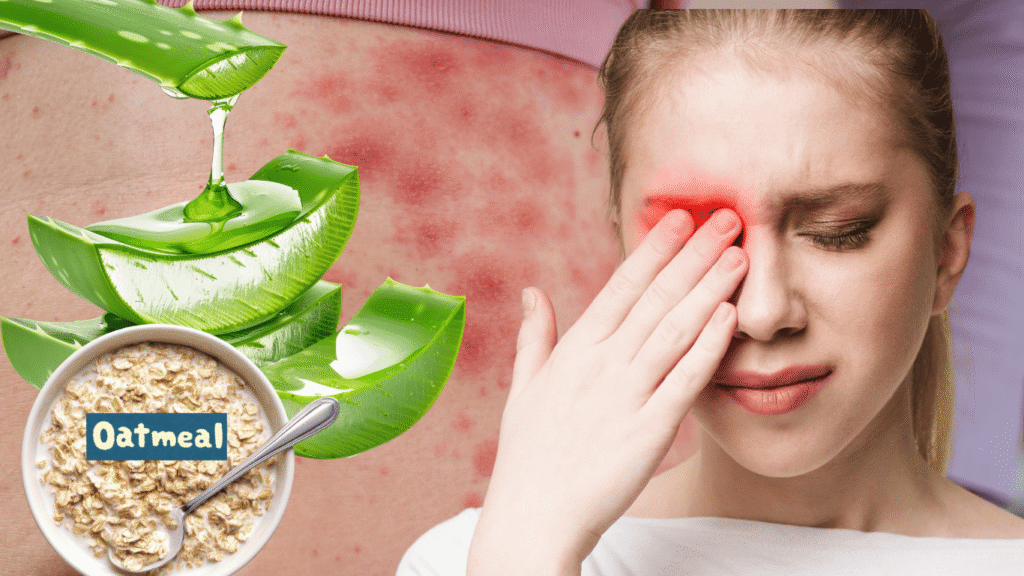
Applying a cool compress to the affected area can help in quickly relieve itching and swelling. Use a clean cloth with cold water and place it gently on your skin for a few minutes. You can also take a cool or lukewarm bath. Adding oatmeal can help calm the skin.
Using aloe vera gel is another helpful option because it has natural cooling and anti-inflammatory properties that calm irritated skin. Similarly, coconut oil can moisturize the skin and reduce dryness and itching.
Wearing loose, soft cotton clothes can prevent further irritation, while avoiding tight or rough fabrics helps protect sensitive skin. It is also important to stay in a cool environment, as heat can worsen hives.
Managing stress is equally important, since emotional stress can trigger or worsen symptoms. Simple relaxation techniques like deep breathing or meditation can be helpful.
FAQ Of Urticaria Hives on Face
Why does urticaria happen?
Urticaria happens when the body releases histamine due to an allergic reaction or trigger like food, medicine, stress, or infection.
This causes blood vessels to leak fluid into the skin, leading to itching, redness, and raised bumps.
How to cure urticaria naturally?
Urticaria can be managed naturally by avoiding triggers, using cold compresses, aloe vera, and oatmeal baths to soothe itching.
Healthy habits like staying hydrated, reducing stress,
What is the best medication for hives?
The best medication for Urticaria is usually non-drowsy antihistamines like Cetirizine, Loratadine, or Fexofenadine, as they are the first-line treatment. In severe or long-lasting cases, doctors may prescribe stronger medicines like Prednisone or Omalizumab if antihistamines don’t work.
Which vitamin deficiency causes urticaria?
Low levels of Vitamin D are commonly linked with Urticaria, especially in chronic cases.
Vitamin D helps regulate the immune system, and its deficiency may increase inflammation and trigger hives.
Is urticaria a lifelong disease?
No, most cases of urticaria are temporary and go away within days or weeks.
Chronic urticaria can last months or years, but it’s usually manageable with treatment and lifestyle changes.
What blood tests are done for urticaria?
Doctors may order a complete blood count (CBC) and tests for thyroid function or inflammation markers.
In some cases, allergy tests or specific IgE tests are done to identify triggers.
Pingback: How To Treat Different Types Of Allergy On Face - Healixcare
Pingback: Fruits Benefits for Skin Hydration & Anti-Aging Secrets - Healixcare
Pingback: How Scalp Health Affects Facial Skin - Healixcare
Pingback: Fruits Benefits for Skin Hydration & Anti-Aging Secrets – properhealth.pro