
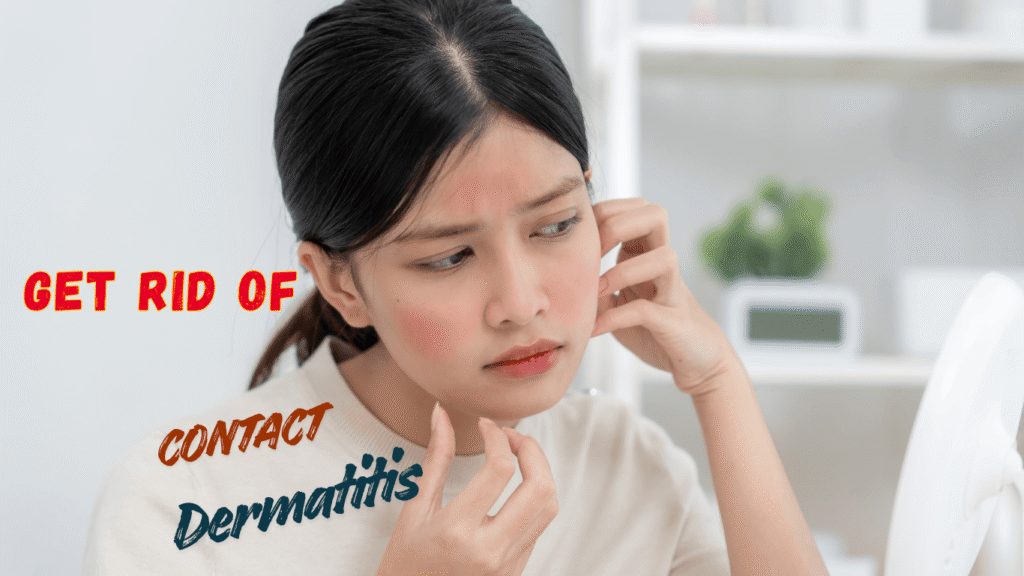
Contact Dermatitis is a form of Dermatitis that develops on our skin when skin come in direct contact with and irritant or allergen. Contact Dermatitis is the most common inflammatory skin conditions that can affect people of all ages. It may look uncomfortable and cause redness or itching, but it does not spread from person to person. With proper care and by staying away from the trigger.
Contact dermatitis is mainly divided into three types based on how the skin reacts to a substance: Irritant Contact Dermatitis, Allergic Contact Dermatitis, and Photocontact Dermatitis (less common).
Types of Contact Dermatitis
Contact Dermatitis (a form of Dermatitis) is mainly divided into three types based on how the skin reacts to a substance
Irritant Contact Dermatitis
Irritant Contact Dermatitis is a inflammatory skin problem when our skin come in contact with thing which damage our skin natural protective barrier. it is not happens by allergic reaction it happens when repeated use of irritants such as soaps, detergents, chemicals, or excessive moisture. it especially on the areas like the hands, face, and neck, these conditions leading to symptoms such as redness, dryness, roughness also avoid the thing to to maintain skin hydration
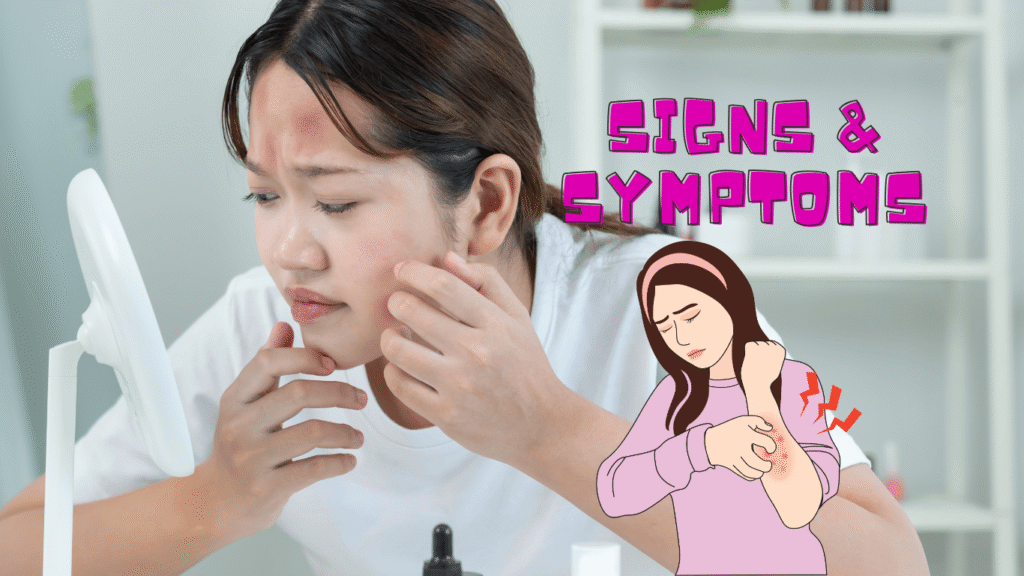
Signs & Symptoms
The symptoms usually begin soon after the skin comes in contact with an irritant and are mostly limited to the affected area. The severity depends on the strength of the irritant and how long your skin is exposed to it.
| Category | Symptoms / Details | Notes |
|---|---|---|
| Early (Mild) Symptoms | Redness (Erythema): Skin looks slightly red or inflamed Dryness: Skin becomes rough and loses moisture Mild Itching: Not very intense but noticeable Burning or Stinging: Light burning sensation, especially after washing or applying products Tightness: Skin may feel stretched or uncomfortable | These symptoms often appear within minutes to hours after exposure. |
| Moderate Symptoms | Flaking and Peeling: Dead skin starts shedding Cracks (Fissures): Small breaks in the skin surface Swelling: Slight puffiness in the affected area Increased Sensitivity: Skin reacts easily to water, heat, or products Rough Texture: Skin feels uneven and irritated | At this stage, the skin barrier is significantly weakened. |
| Severe Symptoms | Blisters (Vesicles): Fluid-filled bumps may form Oozing and Crusting: Skin may release fluid and form a crust Deep Cracks: Painful fissures that may bleed Severe Pain and Burning: Intense discomfort, especially on touch Possible Infection: Open skin can allow bacteria to enter | Severe or prolonged cases may require medical attention. |
| Commonly Affected Areas | Hands: Due to washing, detergents, and chemicals (most common) Face: From cosmetics or skincare products Neck: From perfumes or clothing friction Arms: From occupational or environmental exposure | Areas are usually those in frequent contact with irritants. |
| Pattern of Symptoms | Symptoms are limited to the contact area (unlike allergic reactions) Appear quickly after exposure Worsen with repeated contact Chronic exposure can lead to thickened, rough skin (lichenification) | Helps distinguish irritant contact dermatitis from allergic reactions. |
Treatment for Irritant Contact Dermatitis (ICD)
In this treatment firstly focus on removing the irritant and restoring the skin’s protective barrier. Avoid irritation causing thing, like harsh soaps detergents, chemicals, or prolonged water exposure. maintain protective measures like wearing gloves or appropriate clothing. In this situation skin care helps a lot frequent use of petroleum jelly, glycerin-based creams, or ceramide-containing moisturizers helps to moisture and repair the skin barrier. Mild creams with steroids, like hydrocortisone 1%, can help reduce redness, itching, and swelling. Barrier creams can protect your skin before it comes into contact with irritants. To feel better, you can use cool compresses for burning or stinging, and sometimes oral antihistamines help with mild itching.
To prevent it from coming back:
Use gentle, fragrance-free soaps or cleansers, Avoid washing your hands too often, Pat your skin dry instead of rubbing, Wear cotton gloves under rubber gloves when handling irritants.
If the skin problem is severe, spreads, oozes, or does not get better, see a dermatologist. They may give stronger creams or short-term oral medicines, and sometimes patch testing is done to check for allergies.
Key point: Avoid irritants, protect and repair your skin, and control inflammation. Most mild cases get better in a few days to a week.
Allergic Contact Dermatitis
When our immune system overreacts to a normally harmless substance known a allergen that develops a skin inflammation. This reaction is not a rapid, it usually take 12 to 48 hours after exposure, because our body need time to recognise the allergen and built an immune response. Unlike irritant contact dermatitis, which can happen on first contact and is caused by direct damage to the skin, ACD requires prior sensitization. This means our immune system must have encountered the allergen before and “learned” how to react against it.
Hypersensitive skin, even tiny amounts of the allergen can trigger a reaction. commonly allergens are metals like nickel, plant compounds such as urushiol from poison ivy, certain fragrances, preservatives in cosmetics, latex, and some topical medications. then our immune response leads to inflammation, redness, swelling, itching, and sometimes blistering, the body tries to protect itself from something it thinks is harmful.
Signs & Symptoms of Allergic Contact Dermatitis
Redness (Erythema): The affected skin appears inflamed, bright red, and sometimes warm to the touch, indicating irritation and immune response.
Itching (Pruritus): Persistent and sometimes intense itching is a hallmark of ACD. Scratching may worsen the rash or cause secondary infection.
Swelling (Edema): The skin may swell, especially in areas like the hands, face, or eyelids, due to fluid accumulation from inflammation.
Blisters (Vesicles): Small, fluid-filled bumps often form in clusters. These may burst and ooze, leaving crusts.
Dryness and Scaling: Over time, affected areas may become dry, flaky, or scaly as the skin tries to heal itself.
Burning or Stinging Sensation: Many people feel a mild to moderate burning or stinging, particularly when the skin is touched or exposed to water or certain products.
Crusting or Weeping: In severe cases, blisters may break and release fluid, leading to crust formation.
Localized Pattern: The rash usually appears only where the allergen contacted the skin, which helps differentiate ACD from other skin conditions.
Treatment for Allergic Contact Dermatitis
treatment involves to avoid the thing that caused the allergy, such as certain metals, fragrances, or plants. for small cases, low-strength steroid creams like hydrocortisone 1% can help reduce redness, itching, and swelling, while more serious cases may require stronger prescription creams or short oral steroids. Antihistamines help in relieve itching. for healing, it is important to keep the skin moisturized with gentle, fragrance-free creams and cleansers, and to avoid scratching. Cool compresses can soothe burning or stinging sensations.
If the reaction is widespread, persistent, or severe, a dermatologist should be consulted, and patch testing may be done to identify the specific allergen. Overall, effective management relies on avoiding triggers, reducing inflammation, and protecting the skin, with most mild cases improving within a few days to a week.
Photocontact Dermatitis
Photocontact Dermatitis (PCD) is a type of skin reaction that happens when certain substances on your skin react with sunlight, particularly ultraviolet (UV) rays, causing inflammation. It is similar to allergic contact dermatitis but specifically triggered by light exposure in combination with chemicals.
There are two main types of photocontact dermatitis:
Phototoxic Reaction
This occurs when a chemical on the skin absorbs sunlight and causes direct damage to skin cells. Symptoms can appear within hours after sun exposure. The reaction is usually dose-dependent, meaning more exposure leads to more severe effects. Common triggers include certain perfumes, sunscreens, and plant substances like lime or celery.
Photoallergic Reaction
This involves the immune system. After the skin absorbs a chemical and sunlight, the body may mistakenly recognize it as harmful, triggering an allergic reaction. Symptoms may appear 24–72 hours after exposure. Common triggers include certain medications (like antibiotics or anti-inflammatories) and topical products.
Signs & Symptoms of Photocontact Dermatitis (PCD)
Redness (Erythema): Skin appears red or inflamed in the areas exposed to sunlight.
Itching (Pruritus): Mild to severe itching, often irritating.
Burning or Stinging: A sensation of heat or discomfort, especially after sun exposure.
Blisters (Vesicles or Bullae): Small fluid-filled bumps or larger blisters may develop.
Swelling (Edema): The affected area may appear puffy or swollen.
Dryness or Scaling: Skin may become rough, flaky, or peel after the reaction.
Hyperpigmentation: Darkening of the skin in the affected areas after healing.
Localized Rash: Usually limited to sun-exposed areas such as the face, neck, arms, and hands.
Treatment for Photocontact Dermatitis:
Avoid the trigger substances which cause reaction during sunlight exposed also common trigger things like certain perfume, tropical medications, cosmetics and plant compounds. protect your skin from sunlight is essential always use broad – spectrum sunscreen SPF 30 or higher, wear protective cloth. Mild topical corticosteroid creams, like hydrocortisone 1%, can reduce redness, swelling, and itching, while oral antihistamines may relieve discomfort. In serious cases, a doctor may prescribe oral corticosteroids. Cool compresses and gentle use, fragrance-free moisturizers can repair inflamed skin and maintain the skin barrier. If the cause is unclear, patch testing by a dermatologist may identify specific photoallergens to prevent future reactions. Early identification of triggers and proper sun protection are key to managing this condition effectively.
Home remedies for Contact Dermatitis:
Cool Compresses – Apply a cool, damp cloth to the affected area for 10–15 minutes to reduce redness, itching, and inflammation. Repeat 2–3 times a day. Avoid direct ice on the skin.
Oatmeal Baths – Add 1 cup of colloidal oatmeal to a lukewarm bath and soak for 15–20 minutes. Oatmeal helps calm irritation and soothes itchy skin. Pat dry gently afterward.
Aloe Vera Gel – Apply pure aloe vera gel on the rash to reduce inflammation and promote skin healing. It can be used several times a day.
Coconut Oil – Use a thin layer of coconut oil on the affected area to moisturize the skin and prevent dryness or irritation, especially after bathing or washing hands.
Diluted Apple Cider Vinegar – Mix 1 part vinegar with 3 parts water and apply with a cotton ball to restore skin pH and reduce bacteria. Avoid using on broken skin.
Baking Soda Paste – Make a paste using 1–2 teaspoons of baking soda with water, apply to itchy areas for 10 minutes, then rinse gently. This helps relieve itching.
Chamomile Tea Compress – Brew chamomile tea, let it cool, and soak a clean cloth to apply on the rash for 10–15 minutes. Chamomile calms inflamed skin.
Moisturize Regularly – Use fragrance-free moisturizers or creams containing ceramides immediately after bathing to lock in moisture and protect the skin barrier.
Avoid Scratching – Keep nails short and wear loose, soft clothing to prevent further irritation or infection.
Faq On Contact Dermatitis
How to Treat Contact Dermatitis Types, Causes
Contact dermatitis is treated by identifying and avoiding the cause, whether it’s an irritant or allergen. Soothing treatments like cool compresses, moisturizers, antihistamines, or mild corticosteroid creams can relieve symptoms.
What cream is good for contact dermatitis?
A fragrance‑free mild corticosteroid cream like hydrocortisone helps reduce inflammation and itching. For dry or irritated skin, a gentle moisturizer with ceramides can support healing and protect the skin barrier.
What triggers allergic contact dermatitis?
Allergic contact dermatitis is triggered by substances that the immune system reacts to, such as metals (like nickel), fragrances, cosmetics, rubber, and certain plants. Even small exposure can cause redness, itching, or a rash in sensitized individuals.
What are signs of contact dermatitis?
Signs of contact dermatitis include redness, itching, swelling, and small bumps or blisters on the skin. The affected area may also feel dry, scaly, or develop a burning sensation.
What are the home remedies for contact dermatitis?
Home remedies for contact dermatitis include applying cool compresses, oatmeal baths, aloe vera gel, or coconut oil to soothe irritation. Keeping the skin moisturized and avoiding scratching or known triggers also helps in healing.
Pingback: How To Treat Different Types Of Allergy On Face - Healixcare
Pingback: Raw Garlic Skin Benefits Of Eating On An Empty Stomach - Healixcare